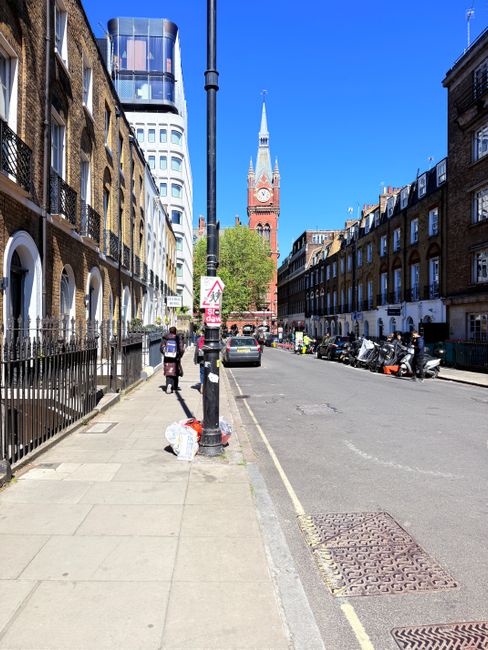
Kentish Town student removals tips for Queens Crescent halls
If you are moving into or out of Queens Crescent halls, the whole thing can feel a bit tighter than you expected. Boxes pile up fast, lifts get busy, stairwells are awkward, and suddenly that "simple" student move needs a proper plan. These Kentish Town student removals tips for Queens Crescent halls are here to help you keep things calm, avoid wasted trips, and make the day run smoothly without turning it into a mini disaster.
Truth be told, most student moves are less about heavy lifting and more about timing, access, packing discipline, and knowing what to do when your trolley wheels catch on the pavement at the worst possible moment. This guide walks through the practical stuff that actually matters: parking, loading, hall rules, storage, packing, and choosing the right move method for your budget. No fluff. Just useful local advice you can act on.
Whether you are heading to Kentish Town for the first time, leaving halls at the end of term, or trying to shift belongings between home and accommodation during a gap, you will find a clear, realistic approach below.
Quick takeaway: The smoothest student moves are usually the ones that start early, travel light, and treat hall access as the main challenge rather than an afterthought.
Table of Contents
- Why Kentish Town student removals tips for Queens Crescent halls Matters
- How Kentish Town student removals tips for Queens Crescent halls Works
- Key Benefits and Practical Advantages
- Who This Is For and When It Makes Sense
- Step-by-Step Guidance
- Expert Tips for Better Results
- Common Mistakes to Avoid
- Tools, Resources and Recommendations
- Law, Compliance, Standards, or Best Practice
- Options, Methods, or Comparison Table
- Case Study or Real-World Example
- Practical Checklist
- Conclusion
- Frequently Asked Questions
Why Kentish Town student removals tips for Queens Crescent halls Matters
Moving to a student hall sounds straightforward until you deal with the reality of shared entrances, narrow loading spaces, and everyone arriving at roughly the same time. Queens Crescent is one of those places where a bit of local planning goes a long way. If you get the timing wrong, even a short move can drag on for hours. If you pack badly, you spend the first evening hunting for chargers, bedding, and a clean mug. Not ideal.
That is why Kentish Town student removals tips for Queens Crescent halls matter. They are not just about transporting boxes. They help you avoid the small friction points that make a move stressful: late arrivals, too many bags, no parking plan, forgotten documents, and fragile items shoved into a bin liner because "it'll be fine."
There is also the money side. Students often work with tighter budgets, so every extra taxi, extra storage day, or damaged item stings a bit. A smarter approach can reduce waste and help you decide whether you need a student storage option, a small van, or a fuller removal service. That decision matters more than people think.
And let's face it, the move-in day mood sets the tone. If you arrive flustered, disorganised, and sweaty, the whole first week can feel slightly off. If you arrive with a simple plan, you start settled. It really is that basic, and that useful.
How Kentish Town student removals tips for Queens Crescent halls Works
At its core, a student removal around Queens Crescent works best when you break the move into small, sensible stages. Think of it less as "moving house" and more as a compact logistics job with a deadline. You are usually dealing with fewer items than a family home, but the access is often trickier. That changes the strategy.
The usual process looks something like this:
- Check the hall rules for arrival windows, lift access, vehicle restrictions, and any check-in instructions.
- Sort your belongings into keep, store, donate, recycle, and bin.
- Choose your move method based on volume, distance, and budget.
- Pack by room and priority so essentials are easy to reach on day one.
- Plan the vehicle access carefully, especially if parking is tight.
- Move in or move out with the smallest number of trips possible.
The key thing is that a student move is often won or lost before the van arrives. If you know where you are parking, what time you can load, and which box contains the kettle, you are already ahead. If not, things can get messy fast. A bit chaotic, honestly.
For some students, a service like man and van makes the move simpler because it gives flexibility without the commitment of a full-size removal package. For others, especially if furniture and bulky items are involved, a more complete option such as small removals or even removals may be the better fit.
Key Benefits and Practical Advantages
When you plan a Queens Crescent halls move properly, the benefits are immediate and very practical. You do not just save time; you reduce stress and lower the chance of damaged items or expensive last-minute fixes. The difference is obvious on the day.
- Less waiting around: If your arrival window is tight, a clear plan stops everyone standing on the pavement wondering what happens next.
- Fewer lost items: Good labelling means your bedding, documents, and chargers do not disappear into a mystery box.
- Lower moving costs: Efficient packing and a sensible vehicle choice often reduce unnecessary trips.
- Better hall etiquette: Clean, quick unloading helps you avoid annoying staff, neighbours, and other students.
- Safer moving day: Proper lifting, protected furniture, and organised carrying reduce the chance of knocks and scrapes.
- Much easier unpacking: You can actually find things when you need them, which is a luxury in itself.
There is another benefit that gets overlooked: a good move gives you breathing room to settle into the local area. You are not spending your first evening digging for tape or re-buying bedding because it got buried under old textbooks and a broken fan. You can go for food, meet flatmates, or just sit down for five minutes. Which, after a move, feels excellent.
If you are comparing services, the practical value of flat removals can be strong for students moving into or out of compact accommodation where stairs, entrances, and furniture handling all matter.
Who This Is For and When It Makes Sense
This guide is for students who want a move that feels organised rather than improvised. If you are heading into Queens Crescent halls for the first time, moving between term-time accommodation, or clearing out at the end of the academic year, these tips will help. They also make sense if you are sharing transport with friends and trying to keep the costs sensible.
It is especially useful for:
- first-year students arriving with boxes, clothes, and a few small furniture items
- international students who may have luggage-heavy moves and longer-term storage needs
- postgraduates moving with more books, electronics, or work equipment
- students leaving halls and needing to sort what goes home, what stays, and what gets stored
- anyone juggling tight hall access, limited lift space, or awkward loading conditions
If you only have a suitcase, laptop, and two bags, you may not need much more than a carefully booked vehicle and some help with timing. But if you have a monitor, desk chair, kitchen kit, bedding, winter clothes, and half your life in carry-alls, then a more structured approach is sensible. To be fair, most students underestimate the volume. Happens all the time.
And if your plans involve a gap between terms, travel, or a temporary move, you may want to look at short-term storage or secure storage so you do not have to drag everything back and forth unnecessarily.
Step-by-Step Guidance
1. Start with the hall rules and access details
Before you pack a single box, check what Queens Crescent halls expect on move day. Look for arrival slots, lift access rules, key collection instructions, and any restrictions on vehicle stopping. The last thing you want is to turn up with three friends and a trolley only to realise you cannot unload where you expected.
It also helps to know whether you are moving at a busy time of day. Early afternoon tends to feel very different from late evening, and the path into the building can be crowded in term-time. A bit of timing awareness can save you from a queue that just sits there, staring at you.
2. Decide what actually needs to come with you
Student rooms have a funny way of collecting things. Old notebooks. A second set of fairy lights. Random kitchen gadgets no one remembers buying. Before move day, sort your items into four clear piles: keep, store, donate, and dispose. That one decision can cut your load in half.
If you are not sure whether an item is worth the space, ask yourself one question: will I use this in the next six weeks? If the answer is no, think carefully. It might be better placed in storage, or not carried at all.
3. Pack by priority, not by category alone
It is tempting to pack room by room and call it done. Better than random packing, yes, but not always enough. Prioritise one box or bag for immediate essentials: toiletries, phone charger, documents, medication, bedding, a change of clothes, and basic tea or coffee supplies. You will thank yourself later, probably around 10pm when you are too tired to open every box.
Then label everything clearly. Use simple labels such as "Kitchen - everyday," "Bedroom - first night," or "Books - heavy." If you can, write on two sides. One side disappears more often than you think.
4. Choose the right transport option
This is where students often overthink it or underthink it, which is a weird combination but common. If you have a light load and just need a quick transfer, a smaller vehicle may work well. If your move includes several bulky bags, furniture, or shared belongings, more space and better loading support can save the day.
Some students prefer local removals because they want someone familiar with short London journeys, while others choose local removals mainly for convenience and speed. If you are also shifting a mattress, desk, or extra boxes, consider whether household storage or furniture storage might reduce pressure during the move itself.
5. Load strategically
Put heavy items low, fragile items secure, and your essentials near the top or the door. Keep sharp edges protected. Use blankets, towels, or bubble wrap where needed. It does not have to be fancy, just sensible.
A simple rule works well: load the items you will need first last. That way, when you arrive, the important boxes are reachable without a full unpacking battle.
6. Unload in a controlled order
Once you arrive at Queens Crescent halls, do not rush everything inside at once. Put the essentials in the room first, check for damage, then bring in the rest. If the room layout is tight, leave the heavier furniture until you know exactly where it will sit. This avoids the classic student move of shuffling a desk three times because the first guess was a bit optimistic.
7. Sort out leftovers quickly
After the move, clear packaging, flatten boxes, and decide what stays in your room and what goes elsewhere. If you have spare items you do not need immediately, moving them into long-term storage can keep your room uncluttered. For people between moves, that tiny bit of order makes a huge difference.
Expert Tips for Better Results
Here is where the small details matter. These are the kinds of things that often separate a smooth move from a mildly annoying one.
- Use colour-coded bags or tape: For example, blue for kitchen, red for bedroom, green for documents. It sounds simple because it is.
- Pack a "first evening" bag: Include pajamas, toiletries, a charger, snacks, and a bottle of water.
- Keep documents with you: ID, booking confirmations, tenancy or hall paperwork, and keys should never disappear into a box.
- Measure bulky items in advance: Desks and chairs can fit awkwardly through older hall doors. Better to check now than wrestle later.
- Take quick photos of expensive items: Useful for your own records if anything gets scratched in transit.
- Book your move earlier than you think: Student move dates bunch up fast. Weekends and end-of-term slots go first.
Also, and this sounds obvious but gets forgotten constantly: have a phone charged. Not at 12%. Actually charged. You may need to call the driver, hall reception, or a flatmate who has wandered off with the kettle.
If your move has a lot of repetitive lifting or a tight turnaround, packing services can be worth considering. Even partial help with boxes and wrapping can save time and reduce breakages. Not glamorous, but effective.
Common Mistakes to Avoid
Most student removal problems are avoidable. That is the slightly annoying part. The good news is you can dodge a lot of them with a bit of advance planning.
- Leaving packing until the night before: It always feels manageable until it isn't.
- Underestimating how much you own: Students often think they have "just a few bags" and then discover six boxes, two cases, and a plant.
- Ignoring access restrictions: If parking or loading is awkward, the whole move gets harder.
- Packing heavy books in large boxes: Your back will object, and the box may give up halfway.
- Not labelling fragile items: A label takes seconds. A broken mug lasts longer in your memory.
- Forgetting to separate essentials: Without a first-night bag, unpacking becomes a scavenger hunt.
- Choosing the wrong storage period: Too short and you rush; too long and you pay for space you do not need.
There is a quieter mistake too: assuming all removals services are the same. They are not. Some are better for small loads, some for furniture, some for combined moving and holding items in storage. If you want both transport and storage in one plan, removals and storage can be a practical option.
Tools, Resources and Recommendations
You do not need a long shopping list to move well, but a few simple tools make everything easier. Nothing exotic. Just the basics that stop boxes from splitting and elbows from taking the strain.
- Sturdy boxes: Preferably a mix of sizes so you can separate heavy and light items properly.
- Packing tape: Good tape matters more than people admit.
- Marker pens: Thick, readable labels save time on the other end.
- Bubble wrap or soft wrapping: Use for glass, electronics, and lamps.
- Reusable bags: Great for loose items, laundry, and quick grab-and-go pieces.
- Blankets or towels: Handy for protecting furniture corners.
- Dolly or trolley: Useful for multiple boxes, but only if the route allows it.
If you are trying to keep costs sensible, it helps to compare a few practical service types rather than jumping at the first option. The right one depends on your volume, access, and timing. For example, a student with two suitcases and a desk lamp has different needs from someone moving a bed frame, bike, and ten boxes of course materials.
| Option | Best for | Strengths | Trade-offs |
|---|---|---|---|
| Self-move with a car | Very small loads | Cheap, simple, flexible | Limited space, more trips |
| Man and van | Small to medium student moves | Good balance of cost and convenience | Less ideal for very large loads |
| Small removals | Mixed items and a few bulky pieces | More support, fewer trips | Usually costs more than a basic van |
| Removals plus storage | Moves with gaps between terms | Flexible and tidy for transitions | Needs a bit more planning |
If you are still figuring out prices, it can help to review pricing and quotes alongside any moving options you are considering. That way you compare like with like, rather than guessing from a headline rate.
Law, Compliance, Standards, or Best Practice
Student removals are not heavily regulated in the way some specialist services are, but there are still sensible standards to follow. In the UK, best practice usually means using insured, careful operators, respecting parking restrictions, and handling property safely. That sounds basic because, well, it is basic. But basic is often what prevents a bad day.
For students, the practical compliance points usually come down to:
- Building and hall rules: Follow move-in instructions, lift limits, and loading arrangements provided by the accommodation.
- Parking and access: Do not block roads, entrances, or pavements while unloading. Local restrictions matter.
- Insurance awareness: Check whether items are covered during transit and what exclusions apply.
- Safe lifting practice: Lift with help when needed, especially for heavier boxes and awkward furniture.
- Data and document care: Keep personal documents secure and separate from general belongings.
It is also worth reading service terms carefully. Payment terms, cancellation rules, and damage responsibilities can differ between providers. A good provider should explain these clearly, not bury them in tiny text and hope nobody notices. If you want to understand those details properly, the terms and conditions, insurance and safety, and health and safety policy pages are worth a look.
For environmentally minded students, recycling cardboard, reusing boxes where possible, and avoiding unnecessary waste is a decent habit too. The move is temporary, but the pile of packaging can be surprisingly permanent if you are not careful.
Options, Methods, or Comparison Table
If you are deciding how to move into Queens Crescent halls, the best method depends on volume, access, and how much lifting you want to do yourself. There is no single right answer. Just a better fit for your situation.
| Method | Convenience | Cost Control | Best Use Case |
|---|---|---|---|
| DIY with a car | Low to medium | High | Very small loads and short distances |
| Shared lift from friends | Medium | High | Flexible student moves with a few bags |
| Man and van | High | Medium | Most typical student hall moves |
| Small removals service | Very high | Medium to low | Bulky items, less time, fewer trips |
| Removals with storage | Very high | Medium to low | Gap between terms or temporary relocation |
For many students, the sweet spot is somewhere in the middle: enough help to avoid stress, but not so much that the move feels oversized for what is basically a room's worth of belongings. A compact service can be exactly right. Overbuying moving help is rare, but underbuying it is very common.
Case Study or Real-World Example
Here is a realistic example. A student moving into Queens Crescent halls had two suitcases, a desk chair, three boxes of books and kitchenware, bedding, a monitor, and a few loose items. At first glance, that sounds manageable. It was, mostly. But the issues were access and timing, not volume.
They arrived during a busier window than planned, and the loading area near the building was already being used by another move. Instead of trying to force everything through at once, they waited ten minutes, kept the essentials separate, and unloaded in two stages: first the room setup items, then the heavier and less urgent boxes. That small adjustment avoided a lot of stress.
What made the biggest difference was packing one clearly labelled "first night" bag and keeping the monitor cable, charger, and bedding together. On the other hand, the least helpful choice was putting books into a large box. It seemed efficient. It was not. The box was absurdly heavy by the time it reached the hallway. Classic student move, really.
By the end of the day, the room was usable, the essentials were in place, and the remaining boxes were manageable. No drama, no missing charger, no mystery pile of socks in a broken carrier bag. That is what good planning buys you: a boring move, and boring is wonderful.
Practical Checklist
Use this checklist the day before and on the morning of your move. It keeps the whole thing grounded.
- Confirm your hall move-in or move-out time
- Check parking, access, and loading restrictions
- Separate essentials into one clear bag
- Label all boxes by room and priority
- Wrap fragile items securely
- Keep documents and keys with you
- Charge your phone fully
- Pack heavy items into small boxes
- Keep tools for furniture assembly handy
- Review whether you need storage for overflow items
- Make sure the path from vehicle to room is clear
- Take photos of any valuable or delicate items before transit
- Dispose of unwanted packaging as you go
If you want a more flexible option for things you cannot move straight away, mobile self-storage can be worth considering because it removes some of the back-and-forth. For students who need a room to breathe before everything is unpacked, that can be a very practical compromise.
Get a free quote today and see how much you can save.
Conclusion
Queens Crescent halls moves are much easier when you treat them like a small project rather than a rushed errand. A few grounded decisions-what to bring, how to pack, where to park, and whether to store some items-can make the whole day feel calmer and cheaper. That is the heart of good Kentish Town student removals tips for Queens Crescent halls: less guesswork, more control.
If you are moving in, moving out, or just trying to get through term change without chaos, start with access, label carefully, and keep your essentials close. Simple advice, yes. But it works.
And once the boxes are in, the kettle is plugged in, and the room finally feels like yours, you will be glad you planned it properly. Small win, big relief.
Frequently Asked Questions
What are the most useful Kentish Town student removals tips for Queens Crescent halls?
The most useful tips are to check hall access rules early, pack an essentials bag, label boxes clearly, and choose the right transport for your load. Those four steps solve most of the usual problems.
Do I need a van for a student move into Queens Crescent halls?
Not always. If you only have a few bags and lightweight items, a car or small shared lift may be enough. If you have furniture, a monitor, or several boxes, a van usually makes the move much easier.
Should I use storage if I am moving into halls for one term only?
Storage can make sense if you do not want to transport everything back and forth during breaks. Short-term storage is especially useful for items you will need again soon but cannot keep in your room all the time.
How early should I book a student removal?
As early as possible, especially around term start and end dates. Those periods get busy quickly, and the best time slots tend to disappear first.
What should I pack in my first-night bag?
Pack toiletries, a charger, medication, bedding, a change of clothes, snacks, and important documents. Anything you will want before the boxes are opened belongs in that bag.
Is it cheaper to move everything myself?
Sometimes, yes. But if you need multiple trips, pay for parking, or damage items through poor packing, the savings can shrink fast. A small removal service can be better value than it first appears.
What kind of boxes should I use for books?
Use small, sturdy boxes for books. Large boxes full of books get very heavy very quickly, and that is one of the easiest ways to make moving day harder than it needs to be.
Can I combine removals and storage in one move?
Yes, and for students it is often a very practical setup. It works well if some belongings are going straight to halls and others need to be stored for later. That can reduce stress and keep the move tidy.
What should I check before unloading at Queens Crescent halls?
Check where you are allowed to stop, whether there is a lift available, how long you have for unloading, and whether the hall has specific arrival instructions. A quick check before you arrive can save a lot of fuss.
How do I avoid damage during a student move?
Wrap fragile items properly, use small boxes for heavy contents, secure loose objects, and keep furniture corners protected. A little care here makes a big difference, especially on stairs or in tight hallways.
Are packing services worth it for students?
They can be, especially if you are short on time or have fragile items. Even partial help with wrapping and boxing can save hours and reduce the risk of breakages.
What if I only need help moving a few items?
Then a smaller service is usually enough. Look for an option suited to small loads rather than a larger package you do not really need. That keeps the move sensible and avoids paying for empty space.
For a smooth move, choose the method that fits your load, not the one that sounds biggest or fanciest. A calm, tidy arrival is worth more than a dramatic one, honestly.