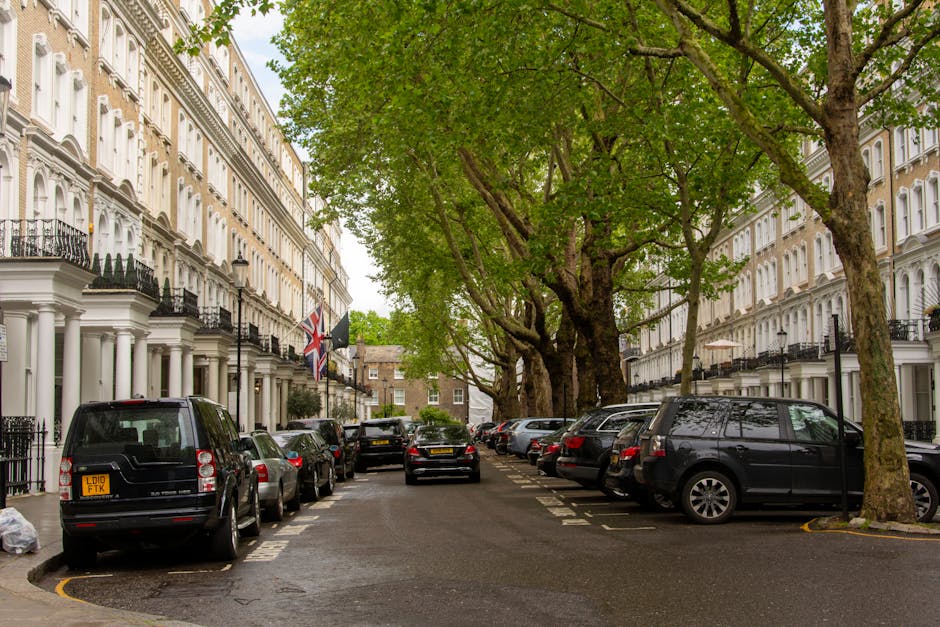
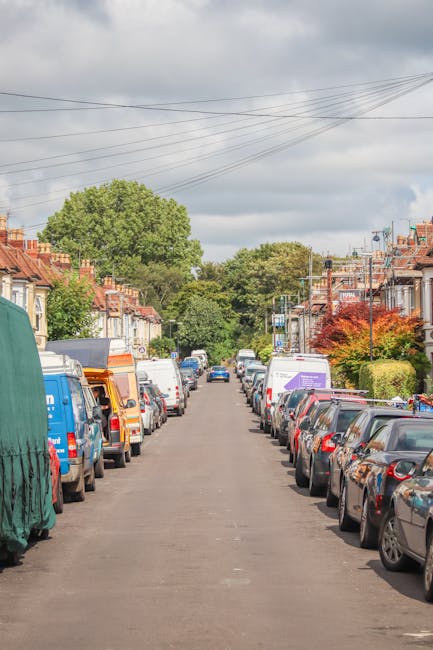
Queens Crescent parking and loading tips for removals
If you are planning a move on or around Queens Crescent, the parking side of the job can be the bit that quietly causes the most stress. The sofa is ready, the boxes are labelled, and then suddenly you are staring at a narrow stretch of road, a busy pavement, and nowhere obvious to stop. That is exactly why Queens Crescent parking and loading tips for removals matter. A little planning here can save time, reduce hassle, and make the whole day feel far less frantic.
In this guide, we will walk through how loading usually works in a London street setting, what to think about before move day, and how to avoid the mistakes that slow removals down. We will also cover practical steps, compliance points, and a real-world style example so you can picture what good planning looks like. Truth be told, a smooth move often comes down to the boring bits done well.
One small note before we begin: if your move also involves storing furniture temporarily, you may want to look at removals and storage or flexible short-term storage options. That can be a lifesaver when access timing gets awkward.
Table of Contents
- Why Queens Crescent parking and loading tips for removals Matters
- How Queens Crescent parking and loading tips for removals Works
- Key Benefits and Practical Advantages
- Who This Is For and When It Makes Sense
- Step-by-Step Guidance
- Expert Tips for Better Results
- Common Mistakes to Avoid
- Tools, Resources and Recommendations
- Law, Compliance, Standards, or Best Practice
- Options, Methods, or Comparison Table
- Case Study or Real-World Example
- Practical Checklist
- Conclusion
- Frequently Asked Questions
Why Queens Crescent parking and loading tips for removals Matters
On paper, parking sounds like a small detail. In reality, it can shape the entire removals day. Queens Crescent sits in a part of London where road space is often tight, traffic can be stop-start, and loading bays or legal stopping places are not always right where you need them. If the vehicle cannot get close enough, every item has to be carried further. That adds time, effort, and risk.
The biggest issue is not just convenience. It is flow. A move works best when the van can park legally, loading can happen in a tidy rhythm, and people are not crossing the road with a mattress while a bus comes round the corner. That is when delays start, tempers rise, and small problems turn into bigger ones.
There is also the cost angle. More walking distance from van to property means slower loading. Slower loading means a longer job. And longer jobs can affect schedules for everyone, from the driver to the neighbours to the next booking. Nobody wants to be the person blocking a lane while trying to work out where the chest of drawers should go. It happens, though.
Good parking planning is especially useful if you are moving from a flat, dealing with a narrow frontage, or trying to coordinate a removal vehicle with a second stop, such as a storage unit. If that sounds familiar, a careful move plan is worth more than a last-minute scramble.
How Queens Crescent parking and loading tips for removals Works
The basic idea is simple: choose the safest, most practical stopping point for the vehicle, then load in a way that minimises walking distance, unnecessary lifting, and disruption. Around Queens Crescent, that usually means thinking in three layers: where the van can legally stop, how people and items will move between property and vehicle, and what backup plan exists if the preferred spot is taken.
In removals work, the term loading usually refers to the process of getting items from the home or office into the vehicle, not just throwing boxes in the back. Good loading also means sequencing the day properly. Heavy items first, fragile items protected, and bulky furniture positioned so it can be secured safely. Simple enough, but it is amazing how often this gets rushed.
Parking and loading are linked because one affects the other. If the van is parked too far away, workers may need more time and more hands. If the van is parked badly, access paths may get blocked or the pavement may become unsafe. If the street is busy, even a short stop can create pressure. So the smart approach is to plan the stop as part of the move, not as a separate afterthought.
For local moves, some people combine a quick vehicle loading plan with light packing support or a man-and-van arrangement. If you need that kind of flexible help, the page on man and van is a useful place to understand how a smaller moving setup can suit tight street access.
Key Benefits and Practical Advantages
There are a few very real benefits to getting Queens Crescent parking and loading right. None of them are flashy, but all of them matter once the boxes start moving.
- Faster loading: less walking between the property and the vehicle means more gets done in less time.
- Lower risk of damage: shorter carry distances help reduce knocks, slips, and awkward turns through tight hallways.
- Less stress for everyone: a clear plan means fewer arguments about where to stop or who is carrying what.
- Better compliance: legal, considerate parking reduces the chance of complaints or penalties.
- Improved neighbour relations: a tidy, respectful loading plan causes less disruption on a residential street.
- Smoother scheduling: when access is planned properly, later jobs and onward travel are less likely to slip.
A practical advantage that people sometimes overlook is pacing. Good access planning lets the team work steadily instead of rushing. Rushing is where mistakes creep in: a lamp gets dropped, a frame is dragged, someone takes a bad step. And then the whole day turns into a faff. Nobody enjoys that.
Another benefit is that a solid loading plan makes it easier to hand over information to the removals team. If you tell them there is limited stopping space, a narrow entrance, or a small window for roadside loading, they can bring the right equipment and set expectations properly.
Who This Is For and When It Makes Sense
This guidance is useful for anyone moving on Queens Crescent or a nearby street where access is not wide open. That includes renters, homeowners, landlords, students, small businesses, and anyone coordinating a local move with a tight schedule.
It is especially relevant if you are:
- moving from a flat with stairs or limited front access;
- using a van rather than a large lorry;
- moving during a busy weekday when parking is likely to be tighter;
- moving bulky items such as wardrobes, white goods, or office furniture;
- combining removals with storage;
- trying to avoid blocking neighbours or local traffic for too long.
If you are moving a few items only, the planning still matters. In fact, smaller moves can be more awkward because people assume they will be quick and do not prepare properly. That is when a short loading bay stop becomes a guessing game. For small, simple jobs, the small removals service information can help you think through what a compact move actually requires.
It also makes sense if you are a business or office manager trying to move equipment without upsetting customers or staff. In that case, access timing, signposting, and a tidy loading sequence are not just helpful; they are part of keeping the day professional.
Step-by-Step Guidance
Here is a practical way to approach Queens Crescent parking and loading for a removal day. This is the part that tends to save the most time.
1. Check the street layout before move day
Walk the route if you can. Look at the road width, nearby junctions, any single yellow or double yellow restrictions, the position of dropped kerbs, and whether there is enough clear space for tail lift operation if needed. Even five minutes of observation can reveal a lot.
If you cannot visit in person, use your own eyes on a quick drive-by or take a careful look from street-level photos. The point is not to become a parking expert overnight. It is simply to avoid nasty surprises on the morning.
2. Decide where the vehicle should stop
Choose the nearest safe, legal, and sensible stopping point. In removals, nearest is usually best, but not if it blocks traffic or puts the team in danger. You want the van as close as possible to the entrance without creating a problem.
If the most obvious place is unavailable, think about a second-best option in advance. That way you are not making decisions under pressure while people are carrying boxes.
3. Match the vehicle size to the access
A large vehicle is not always the smartest choice on a narrow residential street. Sometimes a smaller van, a second trip, or a combination of van and storage works better. A spacious vehicle sounds ideal until it cannot park where you need it to. Then it is just a large object taking up road space.
For advice on choosing a flexible vehicle-led move, the local removals information is useful because it fits the kind of short-distance planning many Queens Crescent moves need.
4. Prepare the loading route inside and outside the property
Make sure the path from door to van is clear. That means shoes moved aside, mats lifted if necessary, hallways cleared, and any delicate corners protected. If there are stairs, someone should be ready to guide large items safely. You do not want to be wrestling a wardrobe halfway round a tight turn while someone says, "It was easier in my head."
5. Load in the right order
Start with the heaviest, least fragile items, then build around them. Use blankets, straps, and proper positioning so things cannot shift. Keep essentials near the end if you need them first at the other end. A kettle, documents, chargers, and a few basics should be easy to find. Small detail, big relief.
6. Leave a buffer for the unexpected
Street parking around busy parts of London can change quickly. A delivery van might take your preferred spot. A neighbour may be unloading. Someone might be waiting for access. Build some slack into your day so a ten-minute delay does not throw everything off.
That buffer is often the difference between a calm move and one that starts muttering at 8:15 in the morning.
Expert Tips for Better Results
After enough moves, certain patterns become obvious. Not glamorous. Just true.
- Keep the walking line short and clean. A clear path matters as much as the parking spot itself. If people are stepping around bins, bikes, or planters, things slow down fast.
- Use one person as the access checker. It is helpful if one person keeps an eye on parking, traffic, and the route, rather than everyone talking at once.
- Think about timing. Early morning often gives a calmer street, but that may depend on your building, your neighbours, and local traffic flow.
- Label by room and priority. When the van is parked well, the load becomes easier to organise. Clear labels mean less rummaging later.
- Protect corners and thresholds. London flats and older homes can have tight entrances. A bit of protection saves a lot of bother.
- Use storage if timing gets messy. If your new place is not ready, or access is limited, temporary storage can take the pressure off the day.
One practical trick: keep a small "first open" box separate. Think toilet roll, phone charger, mug, medication, basic tools. It is not fancy, but after a tiring move, it feels like a little act of kindness to yourself. You will thank yourself later, probably while looking for a screwdriver.
Another tip is to talk to neighbours early if the move might affect shared access. A brief heads-up can prevent awkwardness. Most people are reasonable when they know what is happening and how long it might take.
Common Mistakes to Avoid
The biggest errors are usually simple, which is annoying but true. The good news? They are avoidable.
- Assuming parking will be easy: never rely on luck in a busy area.
- Not measuring bulky items: a sofa that fits in the lounge may still be awkward on the pavement or at the vehicle.
- Ignoring access at the property entrance: a good parking spot means little if the doorway, stairs, or landing are too tight.
- Loading in the wrong order: if fragile items go in first without proper protection, they can get crushed.
- Leaving the route cluttered: even a couple of boxes in the wrong place can create a trip hazard.
- Forgetting backup plans: if the planned loading spot is occupied, you need a second option ready.
Another common one is overconfidence. People say, "We only have a few items." Then the cushions appear, the kitchen stuff expands, and suddenly the van is full of things nobody mentioned earlier. Happens all the time.
And yes, the weather matters. A damp pavement, a drizzly morning, or a dark winter start can make loading slower and more slippery. Nothing dramatic, just enough to make care more important.
Tools, Resources and Recommendations
You do not need a giant toolkit for a well-planned move, but a few basic items make a noticeable difference.
| Item | Why it helps | Best use |
|---|---|---|
| Furniture blankets | Protects surfaces from knocks and scratches | Tables, wardrobes, appliances |
| Straps | Keeps items secure during transit | Heavy boxes, white goods, stacked furniture |
| Dolly or sack truck | Reduces lifting strain | Boxes, appliances, short flat surfaces |
| Door protectors | Helps avoid marks on tight entrances | Flats, older properties, narrow hallways |
| Box labels | Speeds up unloading and room placement | Every move, honestly |
For people who want more support, packing help can be a smart add-on. Good packing reduces the time spent hesitating at the van, wondering what is fragile and what is not. If you want that kind of assistance, see the packing services page for a useful overview.
If your move involves furniture you are not ready to place immediately, it may also be worth reviewing furniture storage or household storage. That is particularly handy if the new property is still being prepared.
And if you are the kind of person who likes a simple checklist, fair enough. A move without one can get messy in a very predictable way.
Law, Compliance, Standards, or Best Practice
Parking and loading for removals in London is not just about convenience. You also need to work within local road rules, property access expectations, and general safety duties. Exact restrictions can vary by location and time of day, so it is sensible to check the street signs carefully and, where necessary, confirm arrangements in advance.
For removals teams and householders alike, the safest approach is to avoid blocking traffic, keep pavements as clear as possible, and make sure the loading process does not create unnecessary risk to pedestrians. That includes children, older neighbours, delivery riders, and anyone passing through with limited space to move.
Where council parking permits, loading permissions, or timed restrictions are involved, treat them seriously. Do not assume a short stop is automatically acceptable. Rules can be strict, and enforcement may be less forgiving than you would like on a hectic moving morning. That is London for you.
From a best-practice point of view, good removals work should also follow basic health and safety principles: keep routes clear, use suitable lifting methods, avoid overstacking, and make sure fragile or heavy items are handled by enough people. If you want to understand the company's wider approach to safe working, the health and safety policy and insurance and safety pages are helpful references.
For customers comparing service standards, transparency around pricing and process also matters. Clear expectations help avoid misunderstandings. You can review pricing and quotes if you want a better idea of how a professional move is usually structured.
Options, Methods, or Comparison Table
There is no single best approach for every Queens Crescent move. The right method depends on access, volume, timing, and whether you need storage or packing support. Here is a plain-English comparison.
| Method | Best for | Pros | Watch-outs |
|---|---|---|---|
| Direct van-to-door loading | Short, straightforward moves | Fastest carry distance, simple to manage | Only works well if legal stopping is available |
| Smaller van with multiple trips | Narrow streets and tight access | Easier parking, more flexible on-road position | Can take longer overall |
| Removal plus storage | Delayed completion or phased moves | Reduces pressure when property access changes | Needs more planning and coordination |
| Full-service removals | Larger homes or complex moves | Less stress, more hands, more structure | Requires clear instruction and timing |
For many local residents, the sweet spot is a smaller, flexible setup rather than trying to force a large vehicle into a street that simply was not designed for it. If your move includes a home clear-out or a flat, the services for flat removals and house removals may also help you decide which style of move is most realistic.
If the job is commercial, compare the needs of office equipment, files, and furniture. For that, office removals and office storage may be more relevant than a domestic-only plan.
Case Study or Real-World Example
Imagine a couple moving from a first-floor flat near Queens Crescent on a Saturday morning. They expect the job to be simple because it is only one bedroom, a small sofa, and a few appliances. But the street is already busier than expected, and the nearest parking space is taken when the van arrives.
Because they planned in advance, they already knew a second stopping point that would still keep the carry distance reasonable. The removals team used a trolley for heavier boxes, one person managed the doorway, and the loading order was set before the first box left the flat. The kettle, bedding, and documents were loaded last so they would come out first.
The result? No arguing at the kerb, no dragging furniture across the pavement, and no panicked "where did we put the charger?" moment at the end. Not a dramatic story, I know. But that is exactly why it worked.
If they had not planned parking and loading properly, the day would have looked very different: longer carry times, more fatigue, and a fair bit of stress. Sometimes the smartest removals decision is the dull one made early.
Practical Checklist
Use this checklist the day before and on the morning of the move. It keeps things neat, and neat is good.
- Check parking restrictions and any local loading limits.
- Confirm the best vehicle size for the street access.
- Identify a backup stopping place.
- Measure bulky furniture and awkward items.
- Clear the path from the front door to the vehicle.
- Protect floors, corners, and door frames if needed.
- Prepare labels for rooms and priority items.
- Keep essentials in a separate box.
- Have blankets, straps, and a trolley ready.
- Tell neighbours if access may be briefly affected.
- Build in extra time for traffic or unexpected parking issues.
- Double-check that items going into storage are clearly identified.
That last point matters more than people think. A box marked vaguely as "misc" has a habit of becoming a nuisance later.
If you are arranging a move that needs storage as well, it can help to review self storage and secure storage before the day arrives. That way, nothing gets rushed at the end.
Conclusion
Queens Crescent parking and loading tips for removals are really about control. Not control in the rigid sense, but the practical kind that makes a busy day feel manageable. When you think through where the vehicle will stop, how the load will move, and what the backup plan is, you reduce the chances of stress taking over.
Small details make a surprisingly big difference. A clear route, the right vehicle size, sensible timing, and a calm loading order can turn a potentially awkward local move into a steady, organised one. That is the goal, after all. A move that feels handled, not hunted.
Get a free quote today and see how much you can save.
If you are still in the planning stage, take a moment to review your access, your timing, and your storage needs together. That little bit of thinking now can save a lot of effort later, and honestly, it usually pays off.
Frequently Asked Questions
What is the best parking approach for removals on Queens Crescent?
The best approach is usually the nearest legal and practical stopping point that keeps loading safe and efficient. Because street conditions can vary, it helps to have a backup option in case the first space is taken.
Do I need to arrange parking in advance for a move?
Often, yes, especially in London streets where space is limited or restrictions apply. Even if formal permission is not needed, planning your stopping point in advance reduces delays and confusion on the day.
Can a removals van park directly outside my property?
Sometimes it can, but not always. It depends on road markings, traffic, time of day, and whether the space is already occupied. It is best not to assume that the space will be available just because it looks convenient.
What if the road is too narrow for a large van?
If access is tight, a smaller van, multiple trips, or a removals-and-storage plan may be more practical. The right option is the one that keeps the move safe and realistic rather than forcing a larger vehicle into a poor fit.
How do I make loading faster on moving day?
Clear the route, label boxes well, load the heaviest items first, and keep the van as close as possible to the entrance. A little preparation the night before usually saves far more time than people expect.
Are there any special rules for loading in London residential streets?
Rules can vary by street and local restrictions, so it is important to check signs carefully and avoid assumptions. Best practice is to keep access clear, load efficiently, and avoid causing unnecessary disruption.
Should I use storage if parking access is uncertain?
Yes, storage can be a very sensible backup if timings are messy or the new property is not quite ready. It gives you flexibility and takes pressure off the move itself.
What items should I keep separate during loading?
Keep essentials such as chargers, documents, keys, medication, and basic toiletries separate. It also helps to keep any items needed immediately at the new property easy to reach.
How can I avoid damage when carrying items from the house to the van?
Use blankets, protect corners, keep the route clear, and avoid rushing awkward items through narrow spaces. Damage often happens when people hurry or try to manage something heavy with too few hands.
Is a man and van service enough for a Queens Crescent move?
For smaller or simpler moves, yes, it can be a very practical choice. For larger households, awkward access, or multiple loads, you may want a fuller removals setup with more support.
What should I do if parking is taken when the van arrives?
Use the backup stopping point you planned earlier. That is exactly why it matters to have a second option. A calm switch to plan B is much better than a stressed argument on the street.
How early should I start planning parking for a removal?
As early as you can once the move date is set. Even a simple plan, made a few days ahead, is far better than trying to improvise on the morning when everyone is already under pressure.